
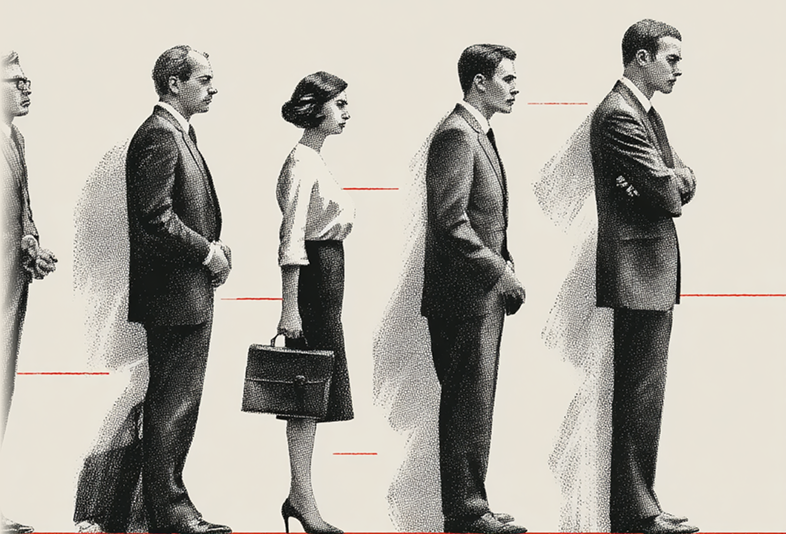


Teams don’t stall because people stop trying.
They stall because the system that governs decisions, ownership, and follow-through is too weak to hold.
When structure doesn’t carry the work, leaders compensate. The relationship between managers and their direct reports is the sacred glue of organizations. When the conditions around that relationship are off, performance suffers, even with strong people.
None of this means your people are disengaged or underperforming.
More often, it means the system itself, how decisions land, how ownership is defined, how follow-through actually happens, is absorbing effort without converting it into visible change.
And because the work feels thoughtful and active, the lack of movement is easy to rationalize, until frustration quietly builds.
Many performance issues can be resolved with direct conversations and clear follow-through. When they can’t, it’s usually a sign the system around the work needs attention.
Strong people can still struggle inside unclear systems.
When roles, decisions, or expectations are misaligned, performance friction shows up in conversations, relationships, and follow-through.
Fixing the conditions often improves the people dynamics faster than trying to “fix” the people themselves.
We’ve worked with leadership teams operating in environments where decisions carry real consequences, not theoretical ones.
From large, high-pressure organizations to founder-led businesses, the pattern is the same: effort is high, conversations are thoughtful, but the system doesn’t reliably hold decisions, ownership, or follow-through.
Not because people don’t care.
Because structure isn’t doing enough of the work.
Once that structure is clarified, progress stops feeling fragile. Momentum returns not through motivation, but because effort finally compounds.
This work doesn’t rely on inspiration or exercises.
It identifies where decisions, ownership, and follow-through fail to hold, and why effort keeps leaking without producing durable change.
Once the mechanics are clear, progress becomes structural, not personal.
Many performance issues improve with direct conversations and follow-up. When they don’t, it usually means something structural is getting in the way.
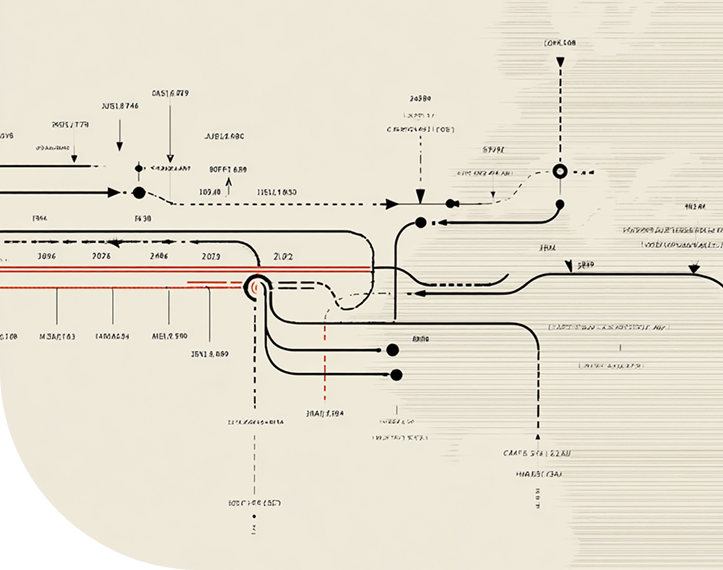
The Team Dynamics Review helps make these patterns visible.
It highlights where decisions fail to hold, where ownership diffuses, and where effort quietly leaks, even when intent is high.

Just a clear, private diagnosis of what’s stalling momentum, and what needs to change first.